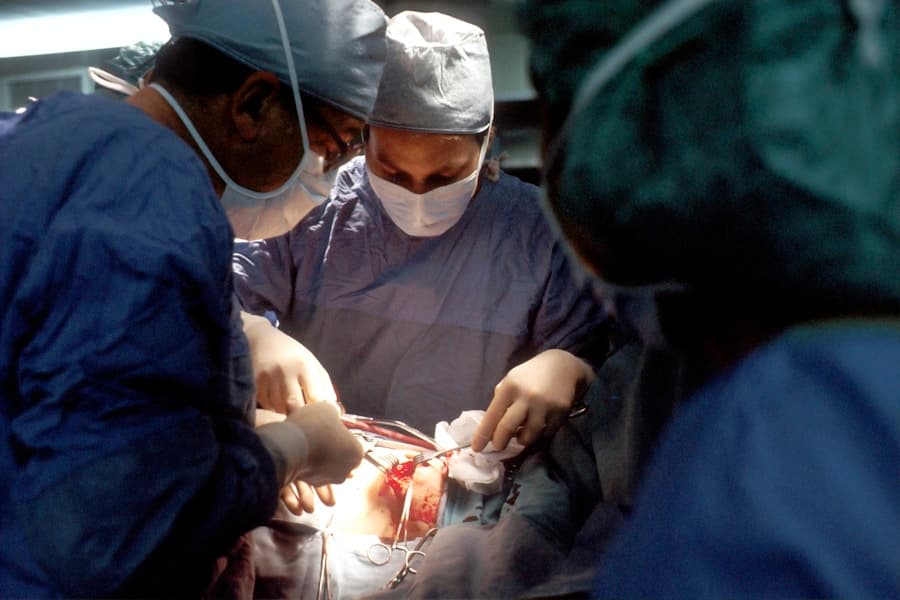
The Ross Procedure
What is the Ross Operation?
The Ross Procedure is a specialized form of aortic valve replacement in which a patient's own pulmonary valve is used to replace the diseased aortic valve. The pulmonary valve is then replaced with a donor valve (homograft). It was developed in the late 1960s by Dr. Donald Ross.
This operation is unique because it is the only valve replacement that uses the patient's own living tissue. Unlike mechanical valves, it does not require lifelong anticoagulation, carries a low risk of stroke and infection, and—most importantly—has the potential to grow and adapt with the patient, making it especially valuable for younger patients.
Who is a Good Candidate?
Candidacy for the Ross Procedure depends on two main factors:
Patient-specific factors
Younger, active, or athletic patients
Individuals without significant comorbidities
Patients seeking to avoid anticoagulation therapy
Heart-specific factors
Normal heart function
No significant coronary artery disease
No connective tissue disorders (e.g., Marfan syndrome, Loeys-Dietz)
In properly selected patients, the Ross Procedure offers excellent long-term durability and quality of life.
What Are the Cons?
While highly beneficial for certain patients, the Ross Procedure does have drawbacks:
Technical complexity – It is one of the most technically demanding operations in cardiac surgery and should only be performed at experienced centers.
Two-valve involvement – Since the pulmonary valve is moved to replace the aortic valve, the procedure affects both the aortic and pulmonary positions.
Reoperation risk – Over time, the pulmonary homograft may degenerate, sometimes requiring reintervention.
Limited availability – Not all centers or surgeons offer the Ross Procedure due to the expertise required.
What Are the Risks?
The risks of the Ross Procedure are similar to other major open-heart surgeries, including:
Bleeding
Stroke
Myocardial infarction (heart attack)
Heart block requiring a pacemaker
Death (though rare in experienced hands)
At specialized centers, these risks are significantly reduced, and outcomes are excellent.
Discuss The Ross Procedure
Dr. Loumiotis takes the time to explain diagnoses, treatment options, risks and benefits associated with each procedure — tailored to your individual needs.